Submit a thread to our digital quilt for the chance to be featured in an exhibition and win £200. Learn more

Governance Area: Local governance

Johannesburg waste pickers organise to defend their livelihoods

Four months ago, WIEGO’s project with the Commonwealth Foundation Waste integration South Africa (WISA) took an unplanned turn as Johannesburg’s waste-pickers were faced with a major challenge to their livelihood.

The city’s official waste management service provider, Pikitup, signed contracts with private recycling companies to expand Pikitup’s Separation at Source programme.  Separation at Source diverts recyclable waste away from landfills and encourages residents to separate their waste at home. In this way, according to Pikitup, recyclables remain clean and can be resold more easily.  Effectively, however, this would exclude waste-pickers from the recycling service they have provided for decades at no cost to the city and negatively affect the income that they earn from selling recyclable material.

WIEGO has been working with the waste-pickers of Johannesburg who collect, sort, separate and recycle the City’s waste from the main landfills as well as from the street sides.  There are 6,000 to 10,000 people in Johannesburg who depend on waste-picking work.  Unemployment in South Africa has reached a record 27.7 percent, so excluding wastepickers will create additional hardship.  By giving recycling contracts to private companies, the city is opting for a private system, when a less costly, more socially responsible and environmentally–friendly solid waste management programme, including waste-pickers, is possible.

Listen to a radio interview with waste picker representatives, Eva Mokoena and Steven Leeuw from Johannesburg about the  impact of  this troubling development.

Aware of the potential introduction of the Separation at Source programme, WIEGO and waste-pickers have been asking Pikitup and the City to disclose and discuss the contracts since September last year, but to no avail.  As a result, an Interim Johannesburg Reclaimers Committee (IJRC) was set up and in July waste pickers from seven regions of the City marched to protest outside Pikitup’s offices.  Eva Mokoena from the IJRC presented a Memorandum of Demands to the Managing Director of Pikitup on behalf of the Committee.  See a video of the protest on Facebook.

As a result of the campaign, Pikitup put a halt to signing any new contracts and acknowledged wastepickers as principle stakeholders in Johannesburg’s waste economy. Pikitup says that it is requiring the companies to include reclaimers, but it is leaving it up to companies that have no experience in integrating them to figure out how to do this and have not consulted with wastepickers on how they should be included. However, dialogue has now been opened up between Pikitup, the City of Joburg and the wastepickers, which is very much welcomed.

For waste pickers, the four key pillars of integration are: recognition as workers providing public and environmental services for which they should be paid; inclusion in the current and future solid waste management system; consultation on all decisions affecting their livelihoods; and, all of the above to begin with the registration of all waste pickers in a centralised database to ensure that the integration process is well planned, fair, transparent and able to be properly monitored. 

Negotiations to develop a framework of how the integration process will be implemented have been underway for the past three months.

See the WIEGO site for further information.

Vanessa Pillay is the WIEGO Organisation and Representation Programme Officer, Johannesburg
 

Enhancing participatory governance

Issue

Stronger systems of participatory governance between the local community, civil society and government institutions are essential to promote participatory and responsive governance.

Project

Eastern Social Development Foundation (ESDF) are enhancing participatory governance in Sri Lanka by strengthening citizen engagement with government institutions.

The project will build the capacities of community based organisations (CBOs) in the Batticaloa District in East Sri Lanka so that they can work with their local government institutions to promote participatory and responsive governance. CBOs will strengthen their institutional structures and policies to better manage their organisations, understand the prevailing issues, and work together with service providers and government functionaries to identify solutions to community needs. This will include advocating for improved services and structural changes to rural communities, such as increased representation of women in local government committees.

By the end of the project, it is expected that stronger systems of participatory governance will have developed between the local community, civil society and government institutions.

Eastern Social Development Foundation

Eastern Social Development Foundation (ESDF) is a community based organisation located in the eastern part of Sri Lanka. They have been working with communities and government institutions to defend human rights, promote equality, good governance since 2008. ESDF is the main project implementer and is responsible for overall management of the project.

Partner organisation

Organisations Council for Peace and Co-existence (OCPC), Sri Lanka is a council made up of 19 civil society organisations in Batticaloa District. They have experience of working with government institutions especially at the local level and have previously worked with ESDF on strengthening civil society participation in governance. They have previously executed a project with funding support from USAID on promoting transparency and accountability in local government with the participation of CBOs which resulted in increased women’s participation in the activities of local authorities.


Upholding the rights of young disabled people

Issue

There are few opportunities to raise funds for Disability rights due to the gap that exists between young disabled people and their civil society organisations (CSOs) and local government.

Project

The Association of Young Disabled People of Mozambique (AJODEMO) is raising its members’ capacity to help local government departments and officials improve how they implement domestic and international legislation designed to support them.

This includes ensuring that the rights and entitlements of young people are better understood, respected, and enforced, with AJODEMO taking the lead in developing and facilitating opportunities for structured engagement between community and local government stakeholders.

The government of Mozambique has shown its commitment towards improving conditions for its young disabled people by ratifying the UN Convention on the Rights of Persons with Disabilities, and adopting new pieces of domestic legislation.

With a specific focus on the provinces of Maputo and Gaza, AJODEMO is working with the support of the UK-based Disability and Development Partners (DDP) on projects to improve the lives of young disabled people. The project will enhance young disabled people’s ability to engage in the community by fostering dialogue and improved relations with local government, improve their economic prospects, and reduce the stigma and discrimination they face.

AJODEMO President, Cantol Pondja, explained, “We at AJODEMO firmly believe that this project with funding from the Commonwealth Foundation and DDP support has the potential to establish a new way for young disabled people and government officials and institutions to engage with each other for everybody’s benefit – particularly to give young disabled people better chances in life.”

[youtube https://www.youtube.com/watch?v=-rSFTW0kpRc?rel=0]

Follow /DisabilityandDevelopmentPartners on Facebook

Sharing best practices on health service governance

Issue

By involving people in marginalised and rural communities in the processes that determine their health services and policies, health outcomes for those communities will be improved.

Project

Health Poverty Action is helping civil society organisations in Kenya, Namibia and Rwanda to build their capacity to share best practices for the participation of marginalised groups in health service governance. This project is looking at the participatory structures that are already in place in three African countries – Kenya, Rwanda and Namibia – and exploring how they can be enhanced, documented, and potentially scaled up and shared with other countries.

At the moment, a Community Conversation approach is being used in Kenya, where solutions are directly sought from communities themselves through discussion sessions with community leaders and influencers, facilitated by trained moderators. In Namibia, designated Clinic Health Committees (CHCs) support dialogues with health service providers to make sure solutions are relevant, culturally appropriate and fit to meet the needs of the communities. And in Rwanda, the traditional Ubudehe social protection system sees communities – under the guidance of trained facilitators – select a priority community project from a list of options and decide collectively on actions to take.

With a grant from the Commonwealth Foundation, Health Poverty Action is helping civil society organisations in each of these countries to build their capacity to support and enhance these systems. The organisations in Namibia and Rwanda are supported in building Kenya’s Community Conversation into their systems, while also being trained in participatory methods that help them to draw inputs and contributions from communities that have previously been unable to make their voices heard on this vital aspect of their existence. In each country meetings will be held with decision makers to share their learnings on participatory methods, with the aim of embedding the on-going contributions of these under-heard communities into the fabric of their national healthcare systems.

The Commonwealth Foundation awarded a grant of up to £45,000 over 18 months for this project.

Follow @healthpoverty on Twitter

Follow /HealthPovertyAction on Facebook

Promoting community solutions in upgrading urban settlements

Issue

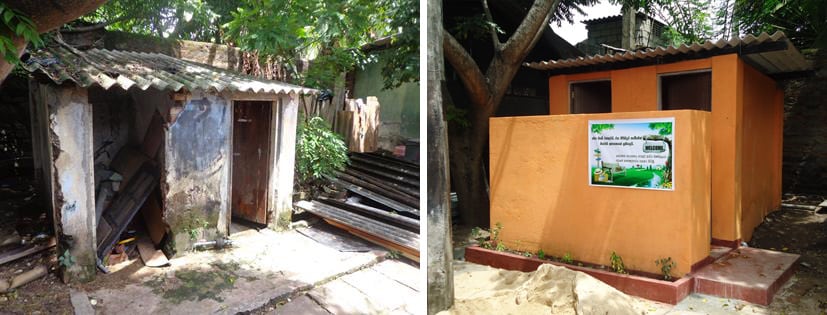
The Sri Lankan capital of Colombo is growing – and it is growing fast. The pace at which the city’s population is rising – due to both migration and birth rates – has outstripped its capacity to build sufficient housing provisions, leading to a rapid increase in informal settlements, with poor living conditions and unstable or non-existent community structures.
Reall is leading a project that will focus on 40 low income settlements in Colombo, and look at how the people themselves can contribute to improving the environments in which they live. The project will set up community development councils (CDCs) – a group of office bearers elected by households in the community – to act as representative bodies who will help the communities to work with governmental bodies and drive structured development of sanitation, water and other vital infrastructure.

Settlement upgrades in Colombo, Sri Lanka

Project

Reall (formerly Homeless International) is setting up community development councils to give the people of Colombo the knowledge, the skills and the voice to help them transform the conditions and services in the settlements in which they live. Through participatory decision-making and community empowerment, the project will give the people of Colombo the knowledge, the skills and the voice to help them transform the conditions and services in these settlements.

Jenny Hyde, the International Programmes Officer at Reall, explained, “By replicating tested approaches from other communities, the project will mobilise communities into CSOs, develop their capacity to initiate basic service delivery within their communities and facilitate working partnerships with government, leading to improved housing and basic services in targeted communities. Using a community-driven approach to design and deliver infrastructure promotes a strong sense of ownership, which in turn will ensure long-term maintenance of the facilities.”

The project is being implemented by Reall’s long-term partner in Sri Lanka, Sevanatha Urban Resource Centre, in association with the Sri Lanka Women’s Coop. The Colombo Municipal Council is the lead government partner on the project and has committed to provide funding towards infrastructure improvement projects.

Reall

Formerly known as Homeless International, Reall – or Real Equity for All – is a social enterprise that is dedicated to alleviating housing conditions in informal settlements across the developing world.

In 1989 Homeless International was born out of the social housing community in the UK and has developed a unique approach to tackle the problem of slums. They now help slum dwellers by supporting the development of partner organisations in Africa and Asia, which have their roots in poor communities.

reall.xyz

Follow @reall_int on Twitter


Fostering a democratic culture in schools and local communities in the Caribbean

Issue

Democratic processes rely on the engagement and participation of an interested electorate if they are to succeed. In the Commonwealth Caribbean countries, there is generally an apathy towards the community engagement process – particularly at the local government level – largely due to a lack of knowledge and cynicism about civic participation and local governance.

Project

The Caribbean Association of Local Government Authorities (CALGA) is working with young people to help them constructively engage with local government. This project will work to develop student councils in secondary schools, which will send representatives to specially created Junior Councils that will provide a structured interface between young people and local government institutions.

The young people on these Junior Councils will be trained in the local government system, participatory governance and advocacy and lobbying techniques, giving them the capabilities and confidence needed to effectively engage with authorities.

The project will also work with government representatives to integrate the young people’s voices into local government processes. The project aims to eventually embed the Junior Councils into local governance processes, allowing it to continue beyond the duration of the grant.

The work has attracted a mix of trainers and project coordinators in the four countries, from the education and local government sectors. Councillor Examin Philbert from St Lucia – a Project Coordinator and school principal – explained: “The project is timely and will afford students the opportunity to actively participate in democratic processes. It will enable Student Councils to develop leadership skills, forge partnerships with the school administration, as well as, lobby and advocate on behalf of the student body. The Junior Councils will catapult our youngsters into meaningful participation in community and Local Government engagement.” 


CALGA

The Caribbean Association of Local Government Authorities is a not for profit organization established to facilitate the further development of Local Government within the Caribbean region.

Their mission is to promote good governance and local democracy through capacity-building, networking, advocacy, and effective representation of the interests and views of Local Government authorities.

www.calga.org


Enabling women farmers’ participation in the green economy

Issue

While women have made giant strides in some male-dominated occupations, they still represent a small proportion of workers in the green economy. Women are often marginalised, left out of critical policy debates and have limited access to resources. While there is a need for greater investment in agriculture, there is currently no recognition of the productive role of women farmers.

Project

With this grant from the Commonwealth Foundation, the Caribbean Policy Development Centre (CPDC) aims to enhance women’s capacity for advocacy, contributing to an increase in the livelihood opportunities available, particularly through emerging opportunities in the green economy.

It will provide an opportunity for women farmers to develop their advocacy skills to shape policy debates around the green economy in the Caribbean, resulting in a strong model for replication in other contexts. The project also responds to the 2013 Commonwealth Theme ‘Opportunity through Enterprise’.

Caribbean Policy Development Centre (CPDC)

CPDC is a coalition of Caribbean non-governmental organisations.

It was established in 1991 to raise awareness about key policy issues among NGOs and the general public and to impact on policy decisions which put the interests of Caribbean people at the centre of their development strategy. Since its inception, CPDC has lobbied regional and international governments on behalf of Caribbean citizens whose voices are less heard. In doing so, CPDC has become accepted as a significant social partner in the development of the region where it has extensive experience and reach.

www.cpdcngo.org/cpdc

Follow @cpdcngo on Twitter

Follow /CPDCngo on Facebook


Fostering cooperation for sustainable development

Issue

The role of civil society, in particular women and young people, in influencing local governance processes in India is recognised as vital.

Project

Technology and Action for Rural Advancement (TARA) are working with civil society, women and young people in the environmental field, to help them influence local governance processes in India.

With a grant from the Commonwealth Foundation, this project will improve the skills and capacity of civil society organisations to engage with local government, nurturing collaborative relationships and better understanding. Advocacy models will demonstrate environmental sustainability concerns, fostering cooperation, sharing knowledge and promoting the involvement of young people and women in local governance.

The project will work with diverse stakeholders nurturing a collective sense of responsibility. It has a strong environmental aspect and targets women as well as addressing cross-cutting themes.

Technology and Action for Rural Advancement (TARA)

TARA is a registered social enterprise in New Delhi, India.

It enables the creation of livelihood support systems through training and capacity building for the rural poor and marginalised communities. It is part of the Development Alternatives Group, an organisation providing development solutions in India and elsewhere.

www.tara.in


Strengthening women’s participation in governance

Issue

Many women in Pakistan were put off taking part in the 2013 general election by lack of transport, pressure from political parties and control of polling stations by armed men.

Project

Supported by a grant from the Commonwealth Foundation, Peace Direct and Aware Girls will help promote the participation of women in electoral processes in in the districts of Swabi and Marden by training, educating and encouraging women to voice their opinion. Peace Direct and Aware Girls will help promote the participation of women in electoral processes in the districts of Swabi and Marden, building on lessons learned.

By training 60 young women and providing education to at least 900 women, this project encourages women in the conflict-affected areas of Kyber Pakhtunkwa province to voice their opinion and improve their leadership skills to ensure greater political participation. Citizens’ committees will address women’s rights issues and develop advocacy tools to lobby government. The project will also improve dialogue with local politicians and government, ensuring issues are addressed and accountability increased.

It is anticipated this project will lead to improved public attitudes supporting women’s participation in electoral and political processes, as well as increased accountability among community leaders, political parties and public bodies.

Peace Direct and Aware Girls will develop a best practice model to encourage greater participation by women in political processes. Citizens’ committees will be replicated in Peshawar district with the assistance of local civil society organisations to raise awareness about the importance of community accountability for good governance.

Peace Direct

Peace Direct is an international charity dedicated to supporting local peacebuilding believing that people have the power to find their own solutions to conflict. It seeks out local peacebuilders making a difference, raises funds for programmes, offers management support and advice, and builds recognition for their work to put them in touch with those in the wider world who can assist with funds and influence.

Follow @peacedirect on Twitter

Follow /Peacedirect on Facebook

Aware Girls

Aware Girls is led by young women working for women’s empowerment, gender equality and peace in Pakistan. It works to strengthen the leadership capacity of young women enabling them to act as agents of social change and women’s empowerment in their communities. www.awaregirls.org

Follow @awaregirls on Twitter

Follow /awaregirl on Facebook


Supporting women farmers to withstand environmental shocks

Issue

Environmental change is fueling poverty in remote areas of Ghana, impacting badly on women farmers, with poor yields and low incomes. Many women are unable to mitigate the environmental effects, nor do they have access to local authorities who could help them address these issues.

Project

Friends of the Earth – Ghana is encouraging collaboration between women’s groups and local authorities to work together to address environmental and livelihood concerns, contributing to sustainable development in Ghana. This Commonwealth Foundation grant will facilitate the collaboration of 250 women subsistence farmers and four NGOs working on environmental and agricultural issues across three rural districts.

Ultimately the project will be scaled up and replicated to benefit a larger group of farmers, helping them to adopt ecological agricultural practices, re-greening and restoring depleted land and water resources.

This project aims to close the gap between remote rural communities and relevant policy makers, enabling women farmers particularly, to talk to local authorities about environmental change and strengthening their ability to engage in participatory governance.

Friends of the Earth Ghana

Friends of the Earth – Ghana is part of a worldwide international network of environmental organisations in 60 countries.

It focuses on environmental, social and economic issues working to bring about sustainable and socially equitable development through community participation. Friends of the Earth recognises that only projects fully accounting for the diversity of cultures, needs and aspirations of communities will gain their full support and be successful in the long term. The organisation has a rich experience of working in the environment and climate change sector in Ghana.

www.foe-gh.org

Follow /foe.ghana on Facebook

Follow @FoEint on Twitter