It has been a privilege to hear from three passionate, inspiring voices, working from different corners of the Commonwealth on a wide range of issues. Rooted in their respective communities, our guest-writers have shown the scale of the challenges facing civil society, and offered insight into pathways forward.
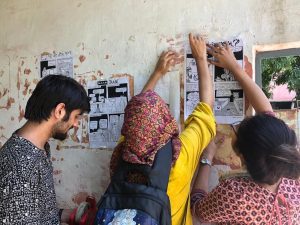
Freedom of Expression – Neha Dixit, journalist
Threats to freedom of expression have been here for a long time, but mounting legal, political, economic and digital pressures are presenting challenges for voices. In an environment where precarity, and censorship threaten civic space, speaking out requires courage. Neha’s piece captures why collective action and advocacy is necessary — a select few cannot carry the burden of challenges threats to freedom of expression alone. By supporting storytellers, independent media, and creative voices, we can help to ensure transparency, foster trust, and defend the democratic spaces where civic voices thrive.
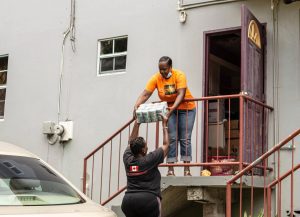
Economic Inclusion – Richardo Aiken, Civil Society Advisory Governor for the Caribbean
Richardo highlights the imperative of participative legislating—a shift away from top-down economic policymaking toward models where local communities actively co-create the policies that govern their financial futures. Growing socioeconomic inequality is hastening the need for this kind of community-rooted development. Policies must be created by and with the communities they seek to serve, and must address widening wealth gaps, support local enterprises, and uplift disadvantaged groups. By bringing civil society and grassroots leaders directly into national and multilateral economic dialogues we can ensure that no community is left behind.
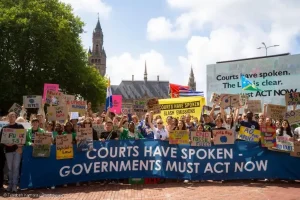
Climate and Environmental Justice – Vishal Prasad, Director of Pacific Islands Students Fighting Climate Change
Vishal’s reflection showcases how the environmental crisis of climate change is fundamentally an issue of justice. For Small Island Developing States and climate-vulnerable nations across the Commonwealth, environmental breakdown is a daily lived reality. Particularly pertinent to young people, youth advocates such as Vishal have spearheaded participative action, global campaigns, and legal accountability to protect future generations. We must ensure frontline communities hold the platforms, resource access, and leverage needed to drive systemic change.
Across these three distinct contributions runs one common thread – the importance of participation and meaningful inclusion in decision making. Civil society must be treated and valued as genuine agents of their own change, not as subjects of policies. As experts of experience, civil society advocates hold the key to practical solutions to these complex problems.
That conviction is at the heart of the Commonwealth Foundation’s 2026–2031 Strategic Plan. Navigating converging crises of threats to freedom of expression, economic instability and environmental breakdown, we will fiercely support civil society and grassroots community to overcome these challenges and stand resiliently.
I am excited for the Foundation to champion these three areas over the next five years. Working alongside civil society, grassroots networks, and creative practitioners across our 56 member states, we will turn dialogue into transformative action.
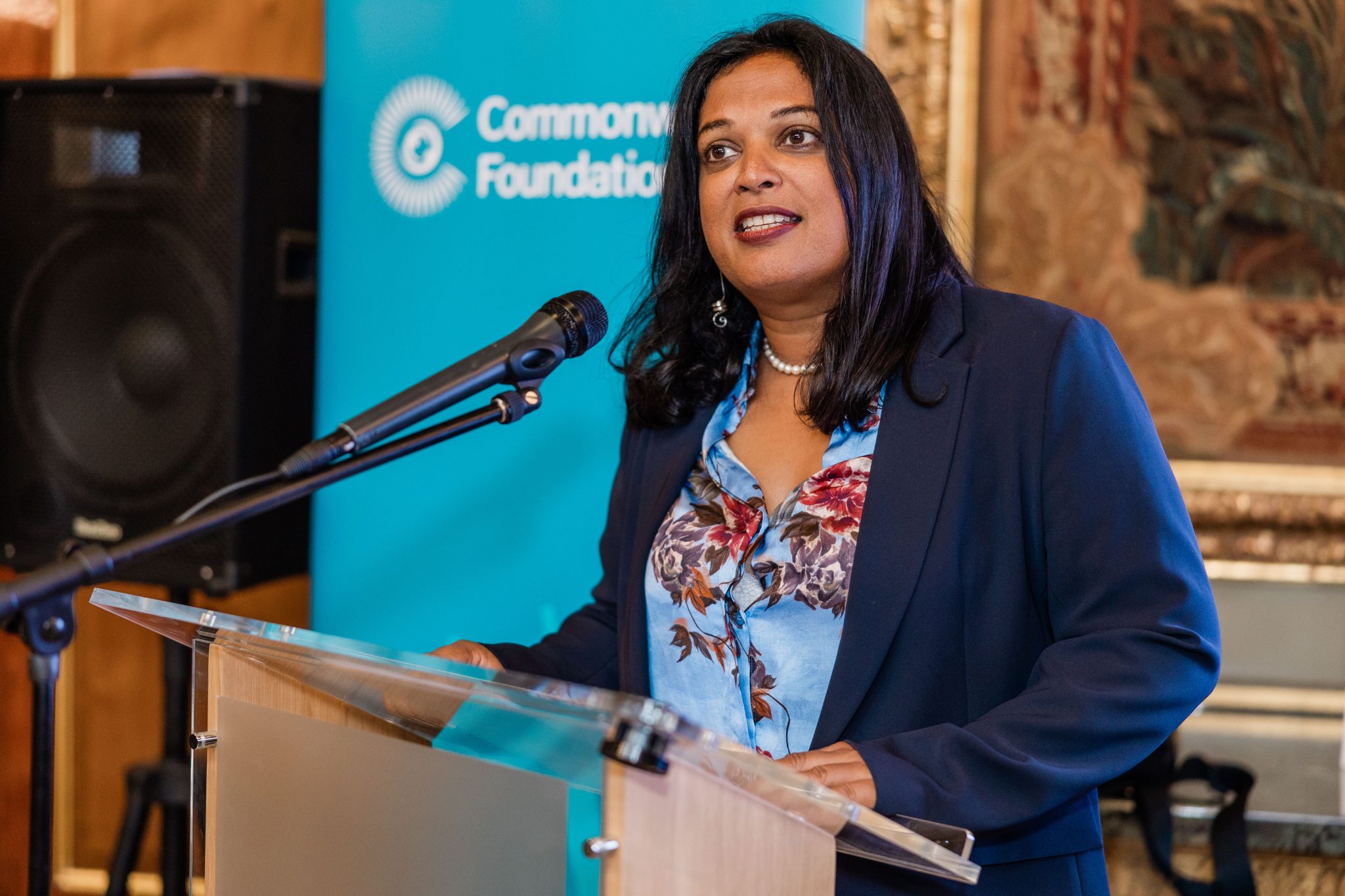
Razmi Farook, Director-General of the Commonwealth Foundation