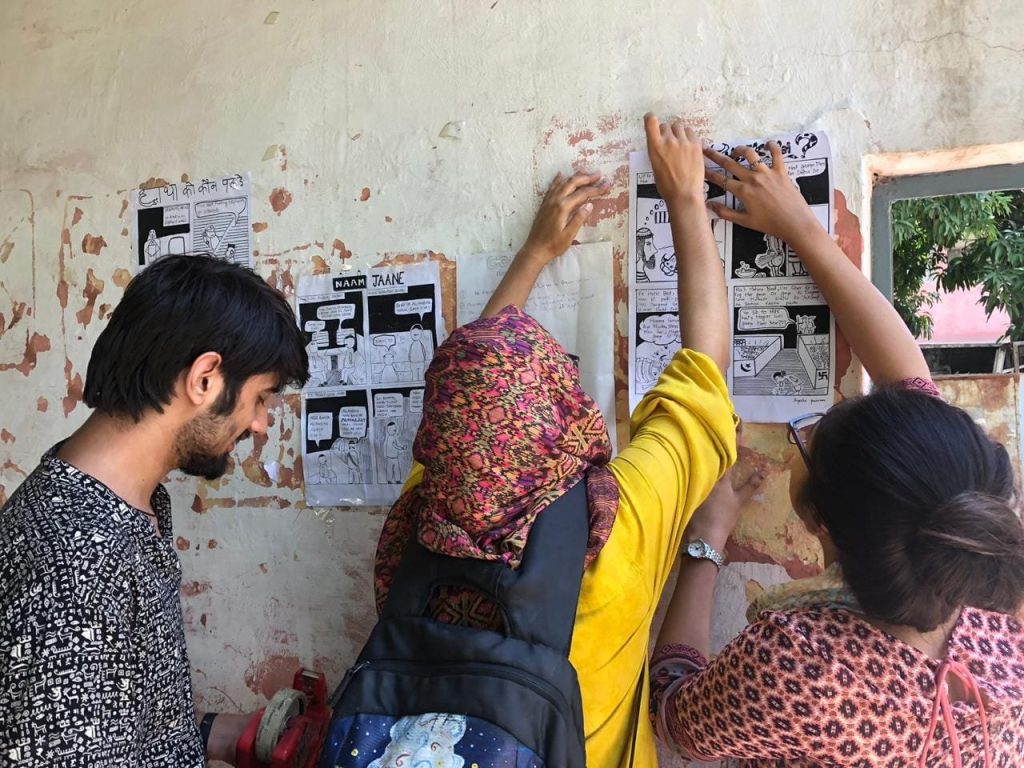
Threats to freedom of expression are changing. The familiar dangers are still here: journalists and activists being jailed, publications shut down, and books banned. Many of my colleagues in journalism, along with scholars, lawyers, filmmakers, and activists, face these risks just for doing their jobs. Now, new legal, political, economic, and digital pressures make it even harder for independent voices to be heard. Online harassment, targeted lawsuits, and corporate-political interests that weaken media independence are becoming more common. More people are starting to worry about who feels safe enough to speak up, and whether freedom of expression is only reserved for people with privilege who can afford to resist the crackdown by the state.
These pressures are quickly becoming normal. Anyone who speaks out for the public good can be targeted. Journalism is being criminalised and more often seen as unpatriotic. Women journalists now face abuse that used to be unacceptable. Political and business interests are mixing more, which raises tough questions about media independence. When public interest is no longer central to debate, it becomes easier to ignore or silence those who disagree.
‘Some people think freedom of expression only matters to journalists, but it affects everyone.’
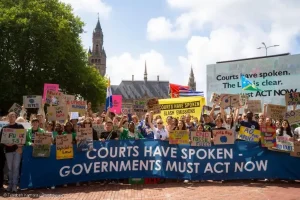
Some people think freedom of expression only matters to journalists, but it affects everyone. It lets us question those in power and take part in decisions that impact our lives. It means communities can speak up without fear, artists can challenge common beliefs, and citizens can hold institutions responsible.
As threats to freedom of expression change, our response must change too. The internet has reshaped public debate. People no longer depend only on traditional media that blocks reports on people from socio-economic margins. Instead, they turn to relatable and far more diverse voices on social media. This shift gives more people a chance to be heard. But digital platforms also make it easier for misinformation and division to spread. Algorithms, business interests, and politics can all affect which voices get heard and which are silenced. To protect freedom of expression now, we need to ensure that a wide range of views, along with solid journalism, can reach the public.
‘No single group can protect freedom of expression on its own.’
No single group can protect freedom of expression on its own. We cannot expect just a few brave people to carry this burden. Stronger connections between journalists, lawyers, artists, activists, and grassroots groups help make everyone more resilient. Governments must protect civic freedoms. Tech companies also need to see that their choices shape public debate. They need to be pro-people to survive. The rest of us have a role too. We should question false information, reject intimidation, and stay open to conversation, even when we disagree.
I was lucky to attend the 2024 Commonwealth Heads of Government Meeting in Samoa, where leaders agreed on the Commonwealth Principles on Freedom of Expression and the Role of the Media in Good Governance. They confirmed an important point: freedom of expression is essential for democracy, and everyone should be able to speak freely without fear or unfair limits. The real challenge now is to turn these promises into action. We can only build a stronger future together if people are free to organise, create, challenge those in power, and take part in decisions that affect their communities.
Neha Dixit is a journalist based in New Delhi, India.