Issue
Women living with HIV in Uganda are significantly underrepresented in the decision-making processes that affect their healthcare, their living standards and ultimately their lives.
Project
International Community of Women Living with HIV Eastern Africa (ICWEA) works with the women to strengthen their institutional and technical know-how to take part in policy discussions on HIV. ICWEA helps the women’s groups develop strong knowledge of vital elements of a participatory process, including budgets and monitoring and evaluation, allowing them to shape the structures and debates. It will work with the groups to develop their confidence to open up the avenues through which they can communicate with other women’s groups for more concerted policy advocacy and engagement at bi-annual meetings attended by district officials and key local organisations
ICWEA has been building relationships within Uganda since it was first formed in 2005, feeding into health and HIV/AIDS policy processes, addressing related issues and advocating for change for several years. Its continued push for direct engagement with these decision makers and legislators has the long-term aim of allowing women living with HIV to sustain their own advocacy efforts and continue to push health sector reforms long after the grant project is completed.
[youtube https://www.youtube.com/watch?v=mESwNiZqDkc?rel=0]
Follow @ICWEastAfrica on Twitter
Follow /IcwEasternAfrica on Facebook
Issue
By involving people in marginalised and rural communities in the processes that determine their health services and policies, health outcomes for those communities will be improved.
Project
Health Poverty Action is helping civil society organisations in Kenya, Namibia and Rwanda to build their capacity to share best practices for the participation of marginalised groups in health service governance. This project is looking at the participatory structures that are already in place in three African countries – Kenya, Rwanda and Namibia – and exploring how they can be enhanced, documented, and potentially scaled up and shared with other countries.
At the moment, a Community Conversation approach is being used in Kenya, where solutions are directly sought from communities themselves through discussion sessions with community leaders and influencers, facilitated by trained moderators. In Namibia, designated Clinic Health Committees (CHCs) support dialogues with health service providers to make sure solutions are relevant, culturally appropriate and fit to meet the needs of the communities. And in Rwanda, the traditional Ubudehe social protection system sees communities – under the guidance of trained facilitators – select a priority community project from a list of options and decide collectively on actions to take.
With a grant from the Commonwealth Foundation, Health Poverty Action is helping civil society organisations in each of these countries to build their capacity to support and enhance these systems. The organisations in Namibia and Rwanda are supported in building Kenya’s Community Conversation into their systems, while also being trained in participatory methods that help them to draw inputs and contributions from communities that have previously been unable to make their voices heard on this vital aspect of their existence. In each country meetings will be held with decision makers to share their learnings on participatory methods, with the aim of embedding the on-going contributions of these under-heard communities into the fabric of their national healthcare systems.
The Commonwealth Foundation awarded a grant of up to £45,000 over 18 months for this project.
Follow @healthpoverty on Twitter
Follow /HealthPovertyAction on Facebook
Issue
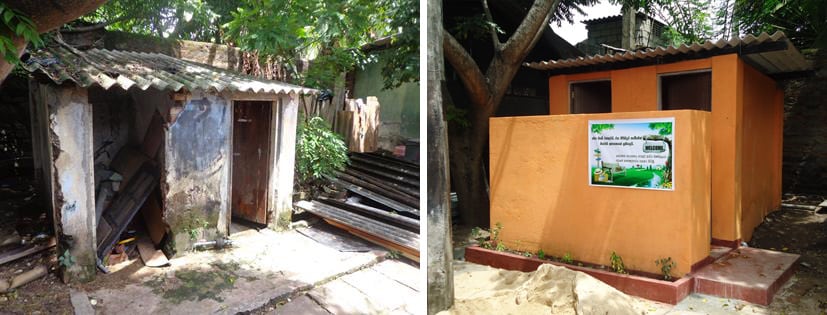
The Sri Lankan capital of Colombo is growing – and it is growing fast. The pace at which the city’s population is rising – due to both migration and birth rates – has outstripped its capacity to build sufficient housing provisions, leading to a rapid increase in informal settlements, with poor living conditions and unstable or non-existent community structures.
Reall is leading a project that will focus on 40 low income settlements in Colombo, and look at how the people themselves can contribute to improving the environments in which they live. The project will set up community development councils (CDCs) – a group of office bearers elected by households in the community – to act as representative bodies who will help the communities to work with governmental bodies and drive structured development of sanitation, water and other vital infrastructure.
Project
Reall (formerly Homeless International) is setting up community development councils to give the people of Colombo the knowledge, the skills and the voice to help them transform the conditions and services in the settlements in which they live. Through participatory decision-making and community empowerment, the project will give the people of Colombo the knowledge, the skills and the voice to help them transform the conditions and services in these settlements.
Jenny Hyde, the International Programmes Officer at Reall, explained, “By replicating tested approaches from other communities, the project will mobilise communities into CSOs, develop their capacity to initiate basic service delivery within their communities and facilitate working partnerships with government, leading to improved housing and basic services in targeted communities. Using a community-driven approach to design and deliver infrastructure promotes a strong sense of ownership, which in turn will ensure long-term maintenance of the facilities.”
The project is being implemented by Reall’s long-term partner in Sri Lanka, Sevanatha Urban Resource Centre, in association with the Sri Lanka Women’s Coop. The Colombo Municipal Council is the lead government partner on the project and has committed to provide funding towards infrastructure improvement projects.
Reall
Formerly known as Homeless International, Reall – or Real Equity for All – is a social enterprise that is dedicated to alleviating housing conditions in informal settlements across the developing world.
In 1989 Homeless International was born out of the social housing community in the UK and has developed a unique approach to tackle the problem of slums. They now help slum dwellers by supporting the development of partner organisations in Africa and Asia, which have their roots in poor communities.
reall.xyz
Follow @reall_int on Twitter


